These therapies are the tools you’ll carry with you long after you walk out the door. They are all evidence-based, which is just a way of saying they’ve been studied and proven to be effective for treating addiction. This is where you move beyond simply not using and start building a genuinely fulfilling life in recovery. Mornings almost always how long is drug rehab start early with a healthy breakfast, usually shared with the other residents. This simple act of breaking bread together kicks off the day with a feeling of normalcy and connection.
Nutritional and Health Support
- And, a component of this plan will be understanding what risks you are facing in both the short and long-term.
- These appointments ensure individuals receive ongoing support & medical oversight, addressing any emerging health concerns promptly to support their overall wellness & recovery journey.
- They also include admitting wrongdoing and assuming responsibility for broken relationships or harming others.
- Relevance Recovery offers compassionate, evidence-based outpatient drug rehab for adults throughout Monmouth County.
Residential treatment typically lasts a minimum of 21 days, but it may extend to 90 days or more, depending on the individual’s needs. Through this program, patients benefit from ongoing medical, clinical and psychiatric care. They meet with mental health care providers weekly and receive monitoring and treatment from medical doctors, case managers, therapists and FHE’s neuro-rehabilitative team. Withdrawal symptoms typically peak within the first 4 to 24 hours and may persist anywhere from a couple of days to a week or more, depending on the nature of the addiction. Throughout the medical detox program, FHE provides 24-hour monitoring and support through trained staff who promptly address signs of distress or complications.
Terms and Conditions
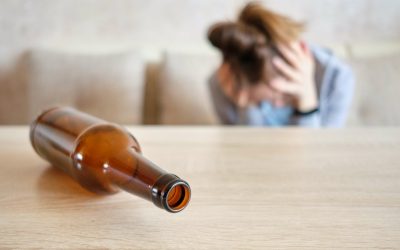
Any decisions that are in support of preserving your new sobriety are generally good ones. Expect for things to feel a little uncomfortable as you start adjusting to living sober. Those in recovery can use the money saved from not buying drugs for countless other activities and events. The important thing is to https://zillanclinicalresearch.com/what-is-a-dry-drunk-understanding-the-definition-2/ remember that you don’t have to be high or drunk to enjoy life after rehab. Get professional help from an online addiction and mental health counselor from BetterHelp.
The Final Step: Graduation and Aftercare
The drug rehabilitation process doesn’t just occur once but in different phases. Transitioning from a person with an addiction to a healthy normal person is a big step and has to be taken gradually. There are four stages to drug recovery; assessment, detox, rehab, and aftercare. Any individual going through rehab must pass through these four stages before being said to have had a successful rehabilitation.

Individual Therapy
- Accurate, complete profiles best connect you with the right people for your services.
- These tips can be helpful if a friend or family member has just completed rehab.
- During this period, individuals are adjusting to a structured environment that aims to promote sobriety, but this process can be accompanied by a range of difficulties.
Upon arrival, you’ll be greeted by a compassionate member of our admissions staff, often a seasoned professional with a deep understanding of the recovery process. This initial meeting, typically lasting about an hour, is an opportunity for us to get to know you beyond your struggles with alcohol. We’ll engage in a supportive conversation to understand your personal history, the patterns of your alcohol use, and any co-occurring physical or mental health concerns you may be facing. Alcohol rehab is a crucial step for anyone struggling with alcohol addiction. It offers a structured and supportive environment to overcome dependency and start on the path to recovery. Understanding the process can help demystify the experience and prepare those considering treatment for what lies ahead.
What is the typical daily routine during the first 30 days of rehab?
Peer support transforms recovery from a lonely battle into a collective journey. In these connections, you find validation, encouragement, and the powerful realization that you are not alone in drug addiction treatment your fight. Rehab flips that script entirely by placing you right in the middle of a community built for healing. This is where the real magic happens—forging connections with people who just get it.